
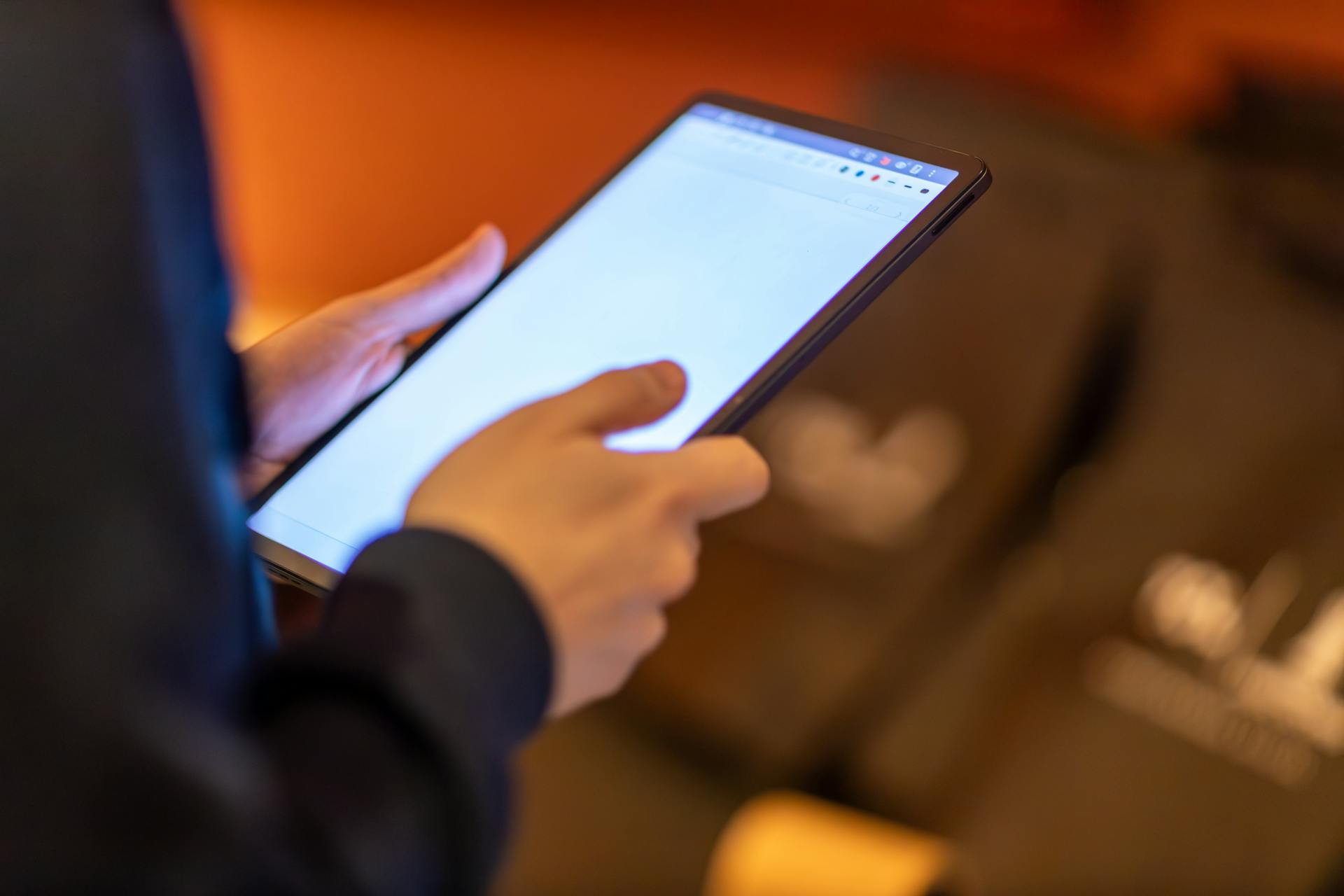
Most RISQS-accredited drug and alcohol testing providers are running the same paper process they were running five years ago. A stack of printed forms, a clipboard, a scanner, and a lot of manual data entry.
It works — until it doesn't. A form goes missing. A result is disputed. A client asks for digital evidence. Suddenly, the paper process that felt reliable is a liability.
This guide is for testing providers who are ready to go digital — but want to do it right, without disrupting an operation that is already running.
Why now?
The case for digitising D&A testing workflows is stronger than it has ever been.
Regulatory pressure is increasing. Network Rail's drug and alcohol standard is periodically updated, and the documentation requirements it places on accredited suppliers continue to tighten. Audits are more thorough than they used to be.
Client expectations have shifted. Rail contractors and train operating companies increasingly want digital records, not scanned PDFs. Some are beginning to specify that their testing providers use auditable digital systems.
The paper risks are compounding. As testing volumes grow, the risk of a form error scales with them. A small provider doing 10 tests a week can absorb the occasional paperwork problem. A provider doing 100 tests a week cannot.
The tools now exist. Until recently, there was no purpose-built digital platform for rail D&A testing. The choice was paper or a generic form builder that didn't understand POCT workflows or Network Rail forms. That has changed.
What going paperless actually means
"Paperless" does not mean eliminating the physical test. You still collect a urine sample and use a POCT device to analyse it. What changes is everything that surrounds the physical test:
- Before the test: Candidate details are not filled in on a paper form — they are entered digitally, or the candidate completes them via QR code on their phone.
- During the test: Panel results are recorded digitally. If a non-negative result is detected, the chain-of-custody workflow is triggered automatically — not manually.
- After the test: Digital signatures from the collection officer, candidate, and witness are captured within the form. The completed record is stored immediately — no scanning, no filing, no data entry.
The collection officer's job does not change. The test is the same. The record-keeping is better.
The common objections — and the honest answers
"Our collection officers aren't tech-savvy."
The forms on FitCheck look exactly like the paper versions your team already knows. The fields are in the same order. The language is the same. The only difference is that they are on a screen.
Most collection officers are comfortable within their first live session. The QR code process — where the candidate completes their own section on their phone — is genuinely simpler than handing them a clipboard.
"We'd have to change our processes."
Minimally. The testing procedure itself does not change. The changes are:
- The collection officer opens an app instead of picking up a clipboard
- The candidate scans a QR code instead of filling in a paper form
- Results are entered into the app instead of written on a form
If anything, the process becomes more structured — required fields cannot be skipped, results are calculated automatically, and the next step in the workflow is always clear.
"What about Sentinel?"
This is the right question to ask. Sentinel — the Network Rail workforce management system — is where test results ultimately need to be uploaded.
Digital records are significantly easier to upload to Sentinel than scanned paper forms. Your data is clean, structured, and complete. Manual transcription errors are eliminated.
Direct integration with Sentinel's API is a development priority. In the meantime, digital exports from FitCheck make the upload process faster and less error-prone than working from paper.
"Is it secure? Is it GDPR compliant?"
Drug and alcohol test results are sensitive personal data. The right answer to this question is: only use a platform that stores data in the UK, restricts access via role-based permissions, and maintains a full audit trail.
FitCheck meets all three requirements. Data is stored in the UK. Access is role-based. Every action is logged with a timestamp.
How to transition without disrupting operations
The key is not to do everything at once. Here is a sensible transition plan:
Week 1: Set up the platform
- Create your FitCheck account
- Add your clients and collection officers
- Familiarise yourself with the POCT and BAT forms
This takes a day at most. There is no hardware to configure and no IT team to involve.
Week 2: Run a parallel test
Before switching fully to digital, run one day of assessments using both paper and FitCheck. Complete both for each assessment. This gives your collection officers hands-on experience before the safety net of paper is removed.
Week 3: Switch live
Remove the paper forms from your collection officer kits. From this point, all assessments are completed digitally.
Keep a small number of paper forms in reserve for the first few weeks — not as a fallback, but in case of genuine technical issues (loss of mobile signal at a remote site, for example).
Ongoing
- Review the audit trail and reporting features
- Use the candidate history to answer client queries faster
- Send pre-assessment questionnaires to candidates before appointments
What to look for in a digital forms platform for D&A testing
Not all digital forms platforms are suitable for Network Rail D&A testing. Before committing to any tool, check:
| Requirement | Why it matters |
|---|---|
| Rail-specific form templates | Generic forms don't match Network Rail standards |
| POCT auto-calculation | Manual scoring introduces errors and misses |
| Chain-of-custody workflow | Required by the Network Rail standard |
| Digital signatures | Must be captured for collection officer, candidate, witness |
| QR code anonymous access | Allows candidate to complete their section without an account |
| UK data storage | Required for GDPR compliance with sensitive health data |
| Full audit trail | Required for Network Rail audits and client evidence requests |
| Multi-client support | Essential for providers serving multiple rail employers |
FitCheck meets all of these requirements. Generic form builders (Google Forms, JotForm, Typeform) meet none of them.
The bottom line
Going paperless is not a technical project. It is an operational decision that requires a tool built for your specific workflow.
The risk of staying on paper is real and growing. The transition to digital — with the right platform — is simpler than most providers expect.
Book a 20-minute demo to see exactly how FitCheck replaces your paper workflow. Most providers are up and running within a day of signing up.